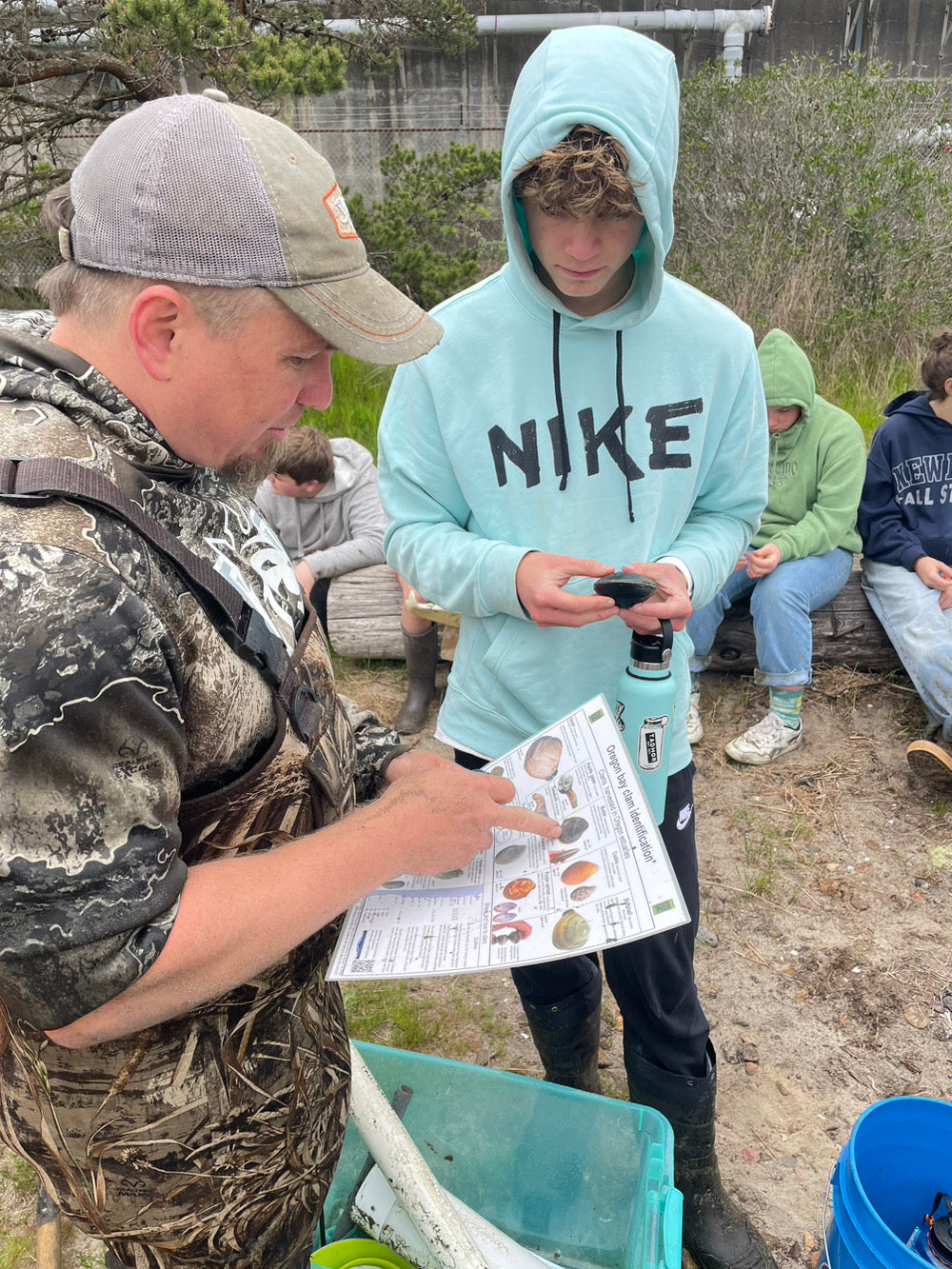
How We Teach
Three frameworks, refined across nearly twenty years of direct practice:
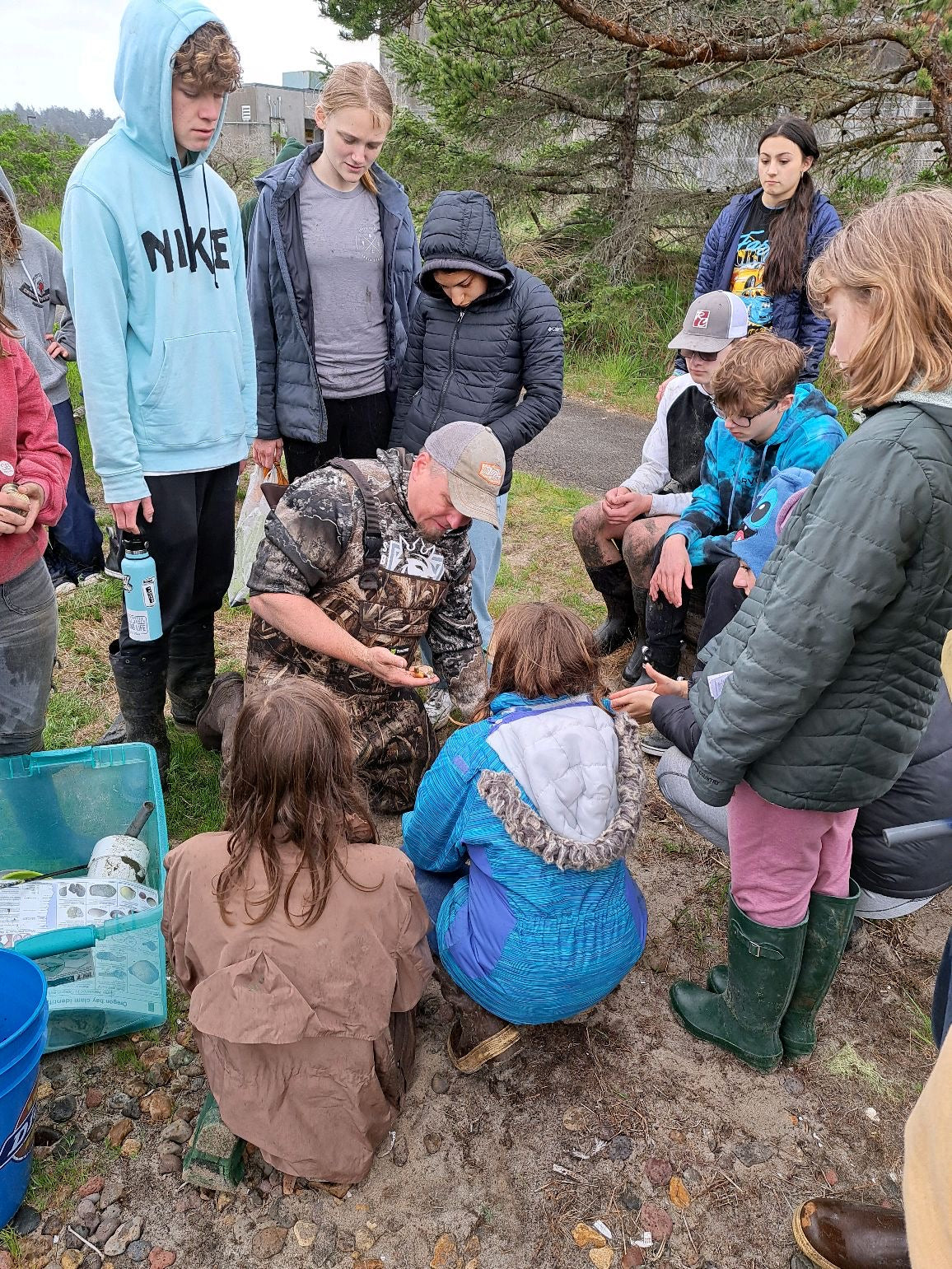
- Experiential Learning — Real organisms, real soils, real ecological relationships. A student who has keyed out a species in February mud remembers that species. A student who read about it on a worksheet does not.
- Inquiry-Based Instruction — Students observe, hypothesize, collect data, and draw conclusions. This mirrors the actual practice of science — and it produces students who think like scientists.
- Service Learning — What students learn, they apply. Restoration projects, food access work, species documentation. Real impact on real landscapes and real neighbors.
Standards Alignment
All programming aligns with Arkansas K–12 Science Standards:
- Life Science — LS1: From Molecules to Organisms · LS2: Ecosystems · LS4: Biological Evolution
- Earth & Space Science — ESS2: Earth's Systems · ESS3: Earth and Human Activity
- Integrated Frameworks — Environmental Science and Biology
We incorporate three-dimensional learning: scientific and engineering practices, disciplinary core ideas, and crosscutting concepts. For homeschool and microschool families, this means documented, standards-aligned science instruction that satisfies your curriculum requirements — delivered where science actually lives.
What We Teach
- Biology & Ecology — Organismal biology, population dynamics, community ecology, trophic relationships.
- Botany & Ethnobotany — Plant identification, morphology, phenology, and the deep human history of plant use.
- Mycology & Ethnomycology — Fungal identification, ecology, habitat relationships, and cultural significance.
- Aquatic Ecology — Freshwater systems, macroinvertebrate sampling, water quality, watershed-scale thinking.
- Earth Science & Soil Science — Mineral cycles, soil composition, and the living systems beneath everything.
- Food Science & Nutrition — Wild food processing, preservation, and the science behind wild food nutrition.
- Environmental Stewardship — Ecological restoration, ethical harvest, and reciprocal relationship with land.
Learning Pathways
- K–12 Field Classes
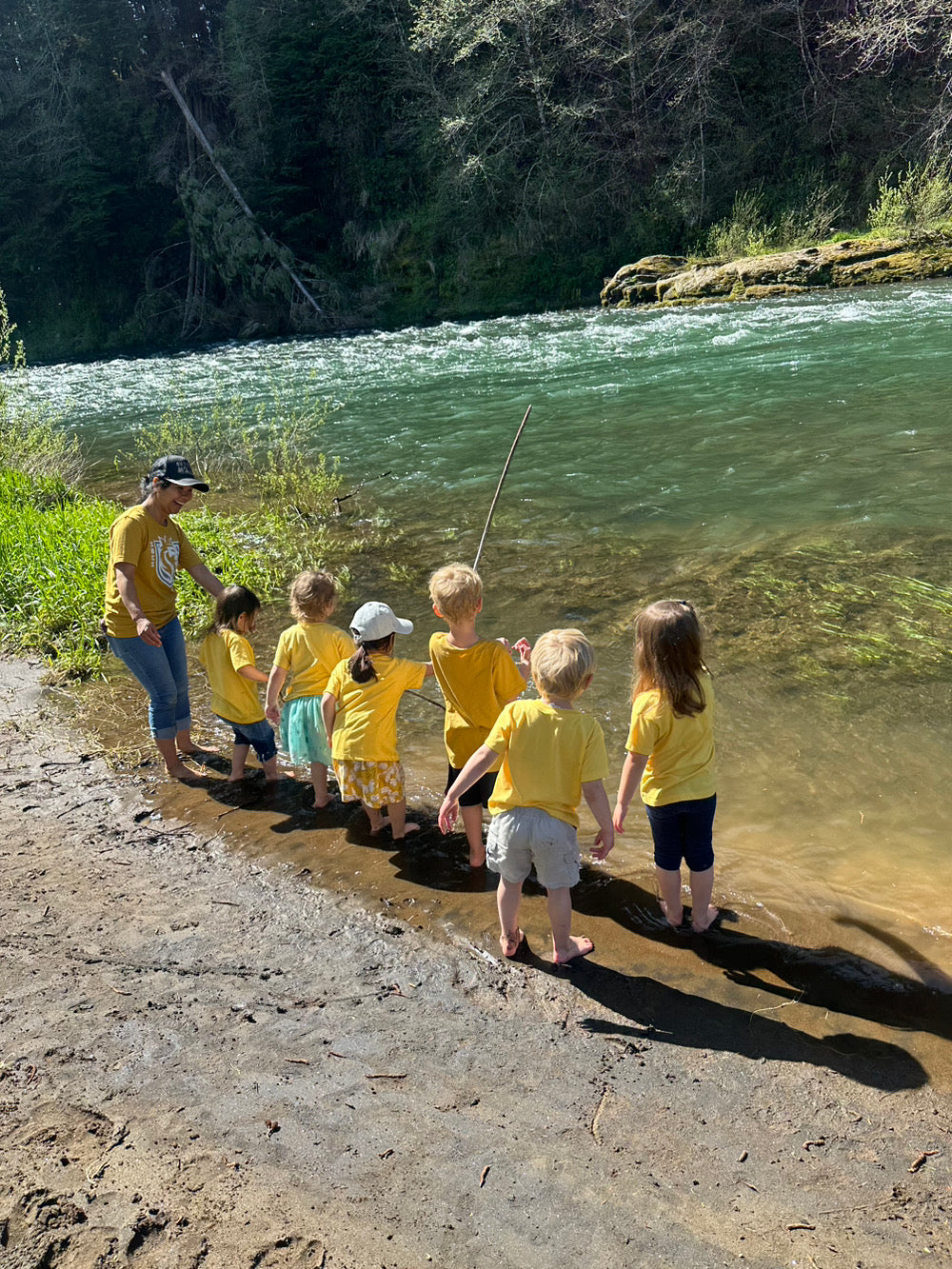
Full and partial day, standards-aligned field instruction for school groups, co-ops, and learning communities. Real science in real ecosystems at a 1:10 ratio. Pre- and post-activity resources included. - Homeschool & Microschool
Rigorous, documented science instruction delivered in the landscapes where that science comes alive. Flexible scheduling, individualized attention, and full standards documentation for your records. We respect all religious and spiritual beliefs and can tailor materials based on those convictions. - Expeditions
Immersive field experiences, not tours. Learn to read a landscape, identify species in context, and practice ethical harvest — hands in the soil, not eyes on a screen. - Workshops
Hands-on skill building in wild food ID, processing, preservation, fermentation, soil science, aquaculture, and ecological literacy. All skill levels welcome. - Booked Events
Custom programming for your group, school, or organization. A half-day for a scout troop, a semester unit for a microschool, a weekend series for your community — we design to your needs. - Online Resources
Field guides, species profiles, processing tutorials, and educational content from years of direct practice. Available to anyone, anywhere.
Arkansas Education Freedom Account (EFA)
Eremos Collective is an approved service provider under the Arkansas EFA program.
For the 2026–2027 school year, eligible K–12 students may receive up to $7,208 in EFA funds applied directly toward our instructional services, excursions, workshops, and educational products.
How it works: Use ClassWallet to pay Eremos Collective directly, or submit receipts for reimbursement.
Questions about eligibility? Reach out. We will walk you through it.
Rates
Rates vary by session length, location, and topic.
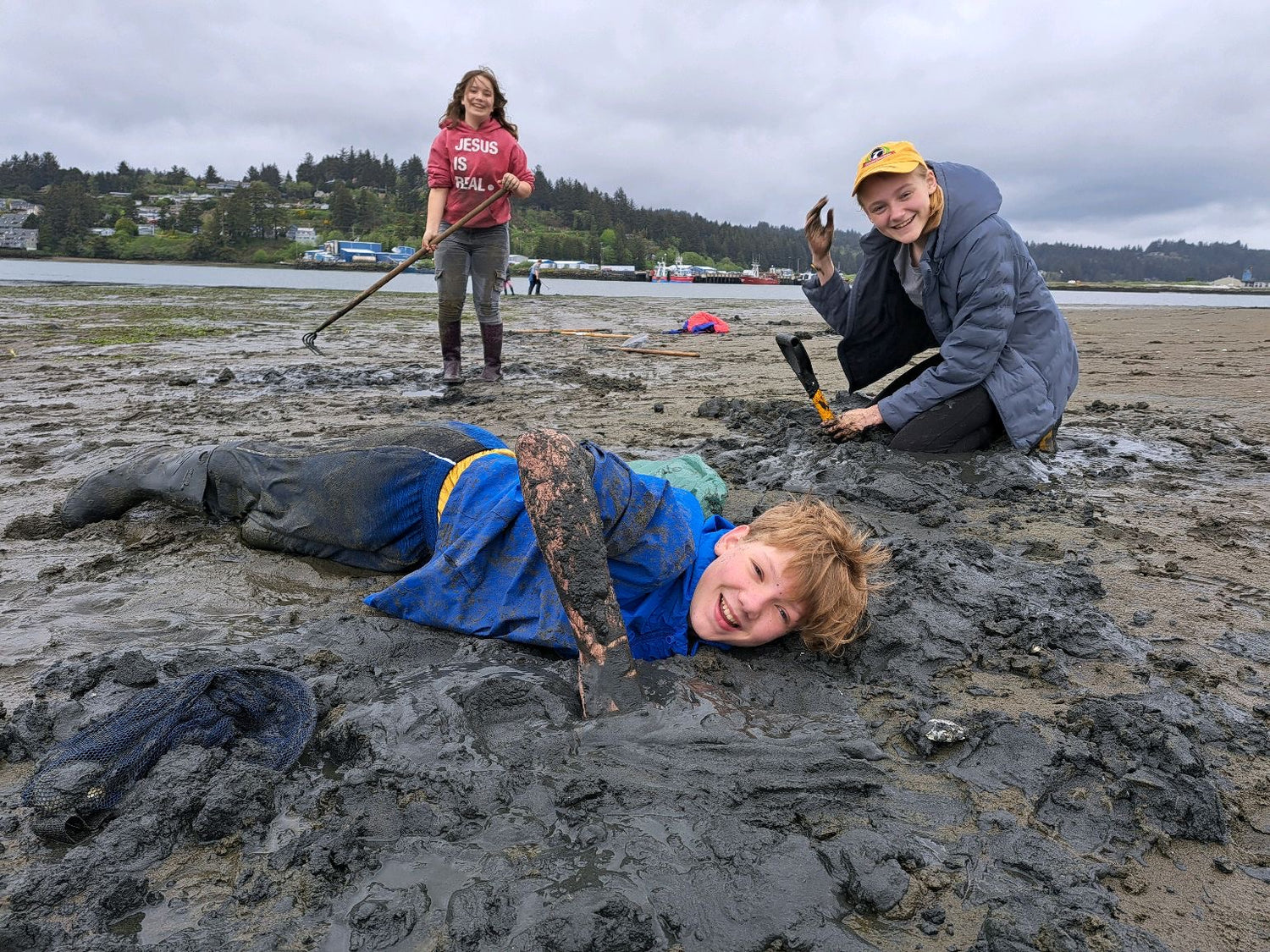
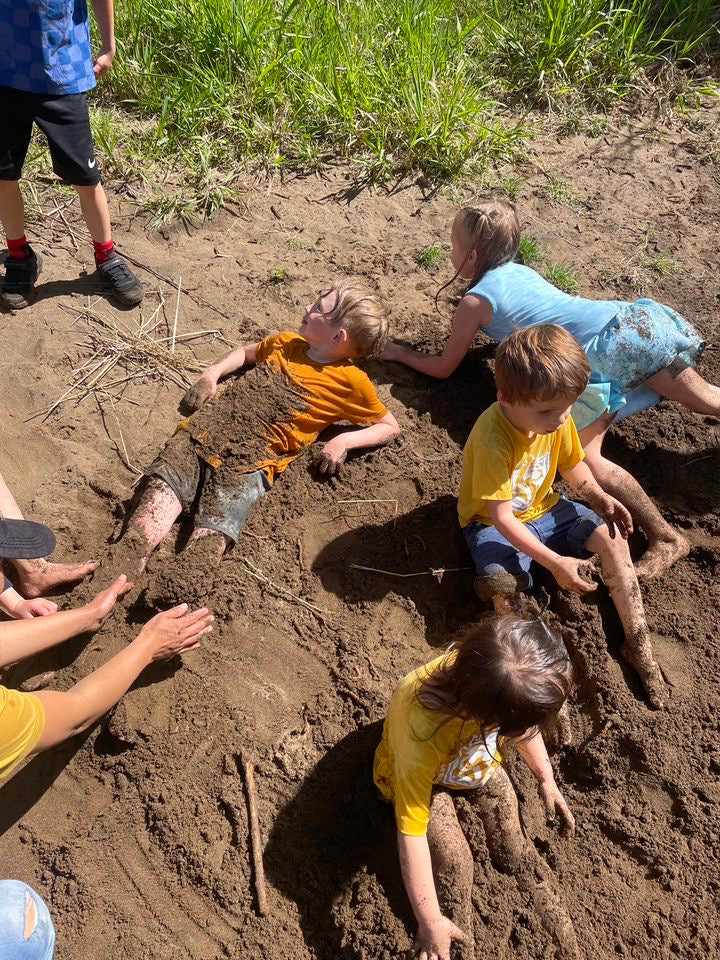
Cost should never be a barrier. Sliding-scale arrangements and sponsored seats are available. If your students want to learn, but cost is a barrier, please reach out — we will get those students in the field with dirty hands and big smiles.
Ready to Start?
Tell us about your students, your goals, and your timeline.
Eremos Collective is a 501(c)(3) nonprofit. All proceeds from instructional services support our mission of restoring wild food literacy and ecological knowledge.